

Pectus Carinatum

What Is Pectus Carinatum?
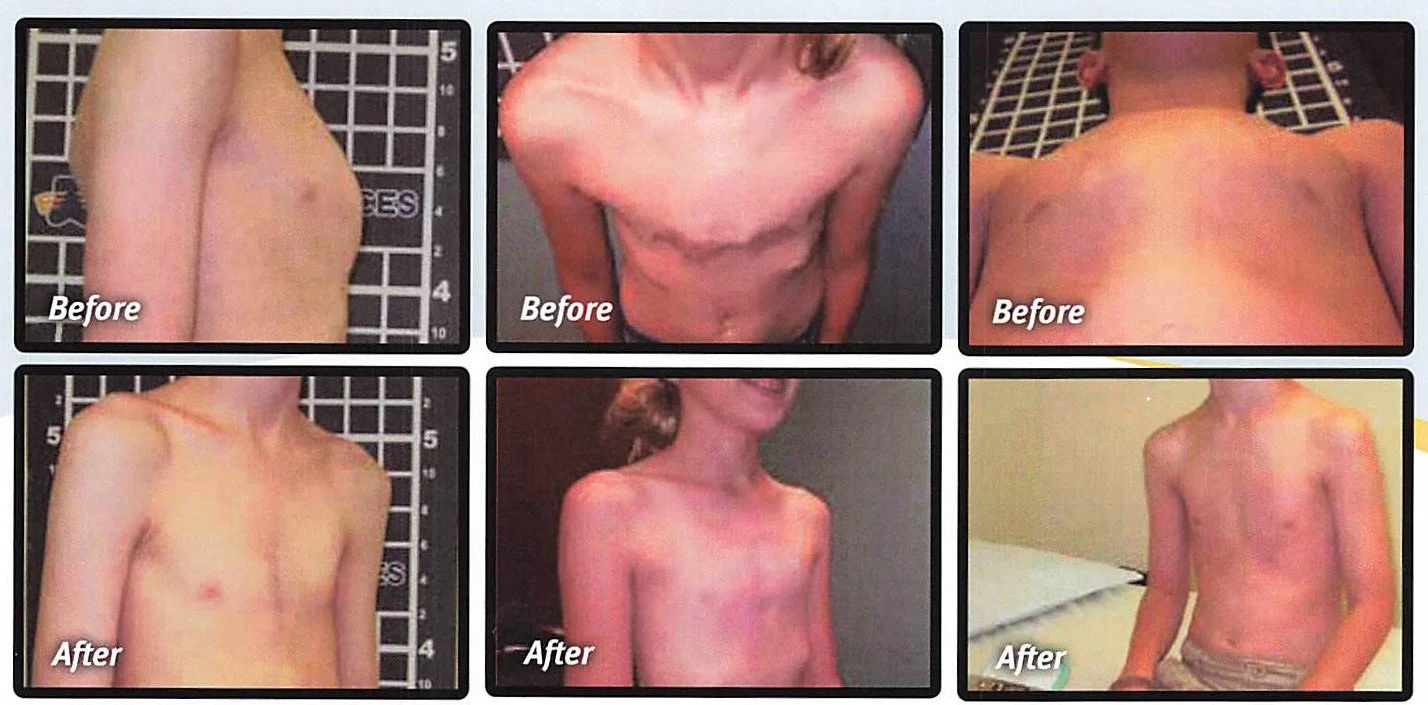
Pectus carinatum, commonly known as "pigeon chest" or "keel chest," is a chest wall deformity in which the breastbone (sternum) protrudes outward instead of lying flat against the chest. The condition may affect the entire chest or only one side, and some patients develop asymmetry or rotation of the sternum.
Pectus carinatum is less common than pectus excavatum and often becomes more noticeable during periods of rapid growth, particularly during adolescence.
For many children and teenagers, the primary concern is the appearance of the chest. However, some patients may also experience chest discomfort, tenderness, or self-consciousness related to the deformity.
What Causes Pectus Carinatum?
The exact cause of pectus carinatum is not fully understood. It is believed to result from excessive growth of the cartilage that connects the ribs to the sternum. As the cartilage grows abnormally, it pushes the breastbone outward, creating the characteristic chest prominence.
Pectus carinatum may occur as an isolated condition or in association with other musculoskeletal or connective tissue disorders, including:
Scoliosis
Marfan syndrome
Ehlers-Danlos syndrome
Poland syndrome
In many patients, the deformity becomes more pronounced during puberty and may not be recognized until the adolescent years.
How Is Pectus Carinatum Diagnosed?
Pectus carinatum is often diagnosed through a physical examination by an experienced physician. During your evaluation, Dr. LoSasso will assess the severity and flexibility of the chest wall deformity and determine whether treatment is recommended.
Additional imaging studies may be ordered when necessary, including:
Chest X-rays
CT scans
MRI scans
These studies can help evaluate the chest wall anatomy and rule out other conditions.
Will Pectus Carinatum Go Away on Its Own?
No. Pectus carinatum does not resolve without treatment.
Although the condition is generally not dangerous and does not shorten life expectancy, the chest prominence typically remains and may become more noticeable as a child grows. While exercise and weight training can improve posture and chest muscle development, they do not correct the underlying structural deformity.
Treatment Options
Treatment depends on the patient's age, chest wall flexibility, severity of the deformity, and personal goals.
Bracing
For many children and adolescents, bracing is the preferred first-line treatment.
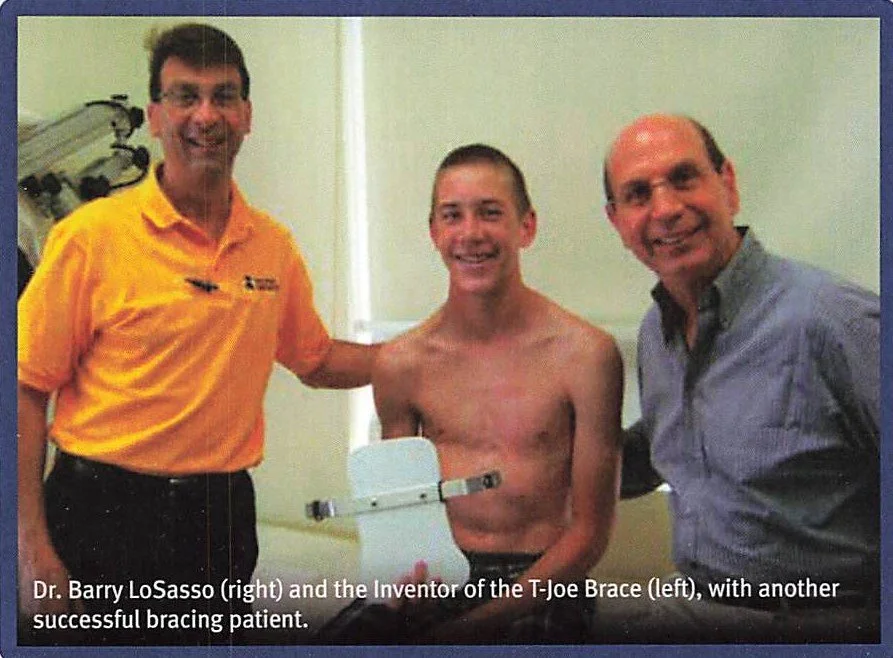
A custom-fitted external brace applies gentle, consistent pressure to the chest wall, gradually reshaping the cartilage over time. The brace is typically worn for 14 to 16 hours per day and may be required for several months to a few years, depending on the patient's age and response to treatment.
Dr. LoSasso carefully evaluates each patient to determine whether bracing is appropriate and develops an individualized treatment plan designed to achieve the best possible correction.
Surgical Correction
For patients with more severe deformities, rigid chest walls, or those who do not respond adequately to bracing, surgical correction may be recommended.
The most commonly performed operation is the Modified Ravitch Procedure. During this procedure, abnormal cartilage is removed and the chest wall is reconstructed to restore a more normal contour.
Dr. LoSasso will discuss all available treatment options and help determine the approach that is most appropriate for each patient.
Prognosis
The outlook for patients with pectus carinatum is excellent.
When diagnosed early, many children and adolescents achieve significant improvement or complete correction with bracing alone. For patients who require surgery, outcomes are generally very good, with lasting correction of the chest wall deformity.
Early evaluation by an experienced pectus specialist can help determine the most effective treatment plan and maximize the likelihood of a successful outcome.
When Should You See a Specialist?
If you or your child has a protruding chest, concerns about appearance, chest discomfort, or questions about treatment options, a consultation with Dr. Barry LoSasso can help determine the best course of action.
Dr. LoSasso provides comprehensive evaluation and treatment for both pectus carinatum and pectus excavatum, helping children, adolescents, and adults achieve improved chest wall appearance, function, and confidence.